Introduction
Raised bed gardening has gained significant popularity in recent years due to its numerous benefits. Whether you have limited space or poor soil quality, raised bed gardening offers a solution that allows you to grow a variety of plants in a controlled environment. In this article, we will explore the various advantages of raised bed gardening and why it has become a preferred choice for many gardeners.
Improved Soil Quality
One of the primary benefits of raised bed gardening is the ability to create and maintain high-quality soil. By filling the beds with a mixture of organic matter, compost, and soil, you can ensure that your plants have access to the nutrients they need for optimal growth. Additionally, raised beds provide better drainage, preventing waterlogging and allowing excess moisture to escape more efficiently.
Enhanced Pest Control
Raised beds offer better protection against pests compared to traditional in-ground gardens. The elevated height makes it more difficult for pests such as slugs, snails, and rabbits to access your plants. You can further fortify your raised beds by installing physical barriers like wire mesh or netting to keep out larger pests. This reduces the need for harmful chemical pesticides, making raised bed gardening a more eco-friendly option.
Extended Growing Season
Raised beds warm up faster in spring, allowing you to start planting earlier in the season. The increased soil temperature promotes faster germination and growth, giving you a head start on your gardening endeavors. Additionally, raised beds are easier to cover with protective materials such as row covers or cloches, which can extend the growing season even further by providing insulation and protection against frost.
Reduced Weed Competition
By elevating your plants in raised beds, you can create a barrier between the soil and weed seeds. This helps to minimize weed growth, making it easier to maintain a weed-free garden. Additionally, the loose and well-aerated soil in raised beds makes it easier to pull out any weeds that do manage to sprout, ensuring they don’t compete with your plants for nutrients and space.
Improved Accessibility
Raised beds are particularly beneficial for individuals with physical limitations or mobility issues. The elevated height reduces the need for bending or kneeling, making it easier to tend to your plants without straining your back or joints. This accessibility advantage also extends to children, allowing them to get involved in gardening activities and fostering an early love for nature.
Optimal Plant Growth
Plants grown in raised beds tend to experience better growth and yield. The controlled soil conditions, improved drainage, and adequate nutrient availability all contribute to healthier plants. The ability to customize the soil composition in each bed also allows you to cater to the specific needs of different plants, ensuring optimal growth and harvest.
Effective Water Management
Raised beds require less water compared to traditional gardens, as the elevated structure allows for better water retention. The soil in raised beds tends to dry out more slowly, reducing the frequency of watering. Additionally, the precise control over soil composition and drainage in raised beds helps prevent water runoff and wastage, making them a more water-efficient gardening option.
Aesthetic Appeal
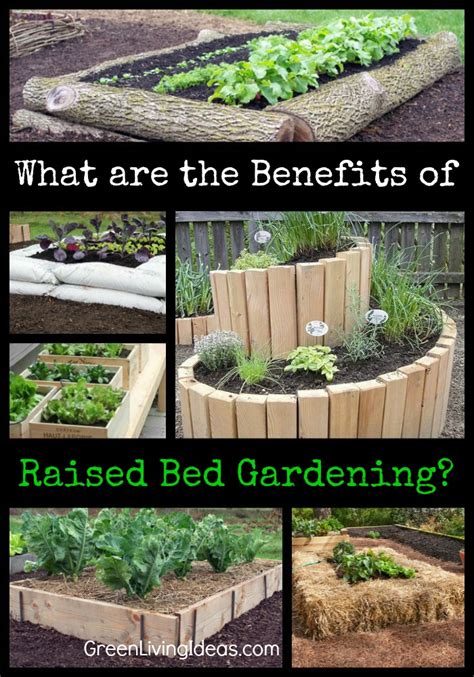
Raised beds can add a visually appealing element to your garden. You can choose from a wide range of materials, such as wood, stone, or metal, to create raised beds that complement your outdoor space. The organized and well-defined structure of raised beds can enhance the overall aesthetics of your garden, creating a more visually pleasing and inviting environment.
Easier Maintenance
Maintaining raised beds is generally easier compared to traditional gardens. The confined space makes it simpler to control weeds and pests, reducing the time and effort required for maintenance. Additionally, the elevated height minimizes the risk of soil compaction, allowing for better airflow and root development. With proper planning and design, raised bed gardening can significantly reduce the time spent on garden upkeep.
Conclusion
Raised bed gardening offers a multitude of benefits that make it an attractive option for both novice and experienced gardeners. From improved soil quality and pest control to extended growing seasons and easier maintenance, raised beds provide an efficient and rewarding gardening experience. Consider incorporating raised beds into your garden this year to enjoy these advantages and create a flourishing oasis of plants in your own backyard.